
getting up & down
and befriending the body

The ability to sit down and get back up without using our arms for support is a significant indicator of health and longevity. There isn’t one right way to do this - but we do need some strength and flexibility, ease in different muscle groups and movement patterns, and overall body coordination.
Getting down to - and rising up from - the floor is not one single movement. It’s many things that come together. It’s a brilliant example of how our nervous systems reflexively coordinate whole body movement, automatically engaging all the necessary musculature appropriately for us, so that we can perform sophisticated, complex tasks without having to think about it.
To get up and down requires all of these skills:
strength in the legs;
mobility in the joints of hips, knees, and ankles;
stability in the shoulders;
balance, coordination, timing;
the ability to shift weight and negotiate transitions.
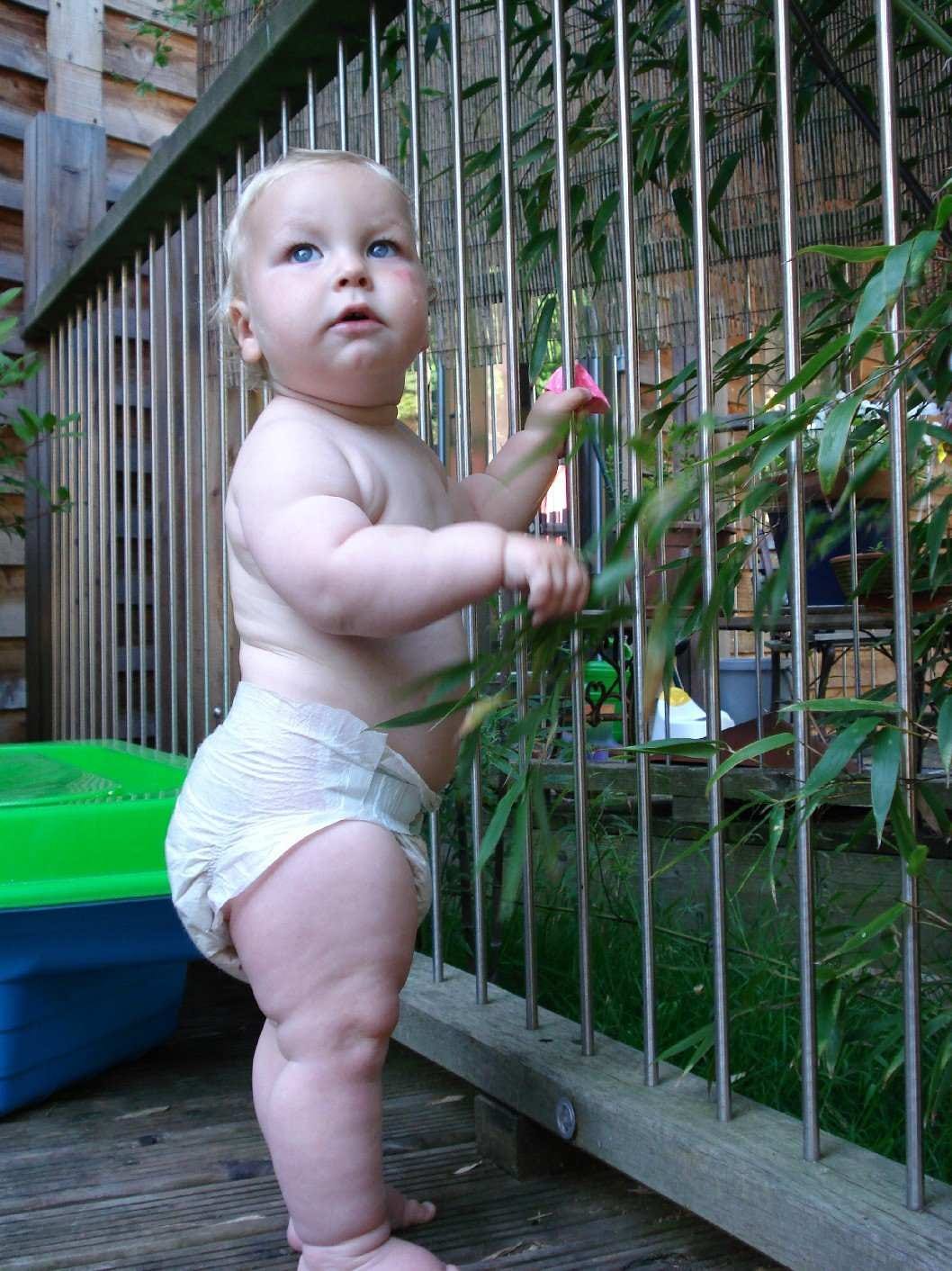
We learnt to develop and trust these bodily skills as children. We gained confidence in our physicality by exploring movement and by using the sensory feedback this gave us. We trusted that feedback. Crucially, we were curious. And we repeated movement over and over again.
The ability to move confidently - not just to and from the floor, though this is one of the clearest markers of how well the body collaborates with itself - is something we can improve, refine, and sustain at any age.
But to do that, we have to keep moving!
Our sedentary, largely inactive lifestyles mitigate against these physical skills, especially as we age. So, for many of us, it’s a question of regaining confidence in our bodies - by rebuilding strength, mobility, balance, stability and coordination - and by relearning to notice the sensory feedback that connects us reliably to our bodies.
This is what we work with in our yoga sessions. This deep connection with the body that we live in, so that we can move around in the world as easily as possible. It’s practical and useful - and it brings us home to ourselves and the present moment.